The most common installation delay we see is not the room or the door. It is the electricity. Here is what every CTN system needs, so you can talk to your electrician early.
Normal socket is enough
These systems run from a standard socket:
| System | Power (CTN) |
|---|---|
| e°COMPRESSION™ | 30 W output, battery powered |
| X°GUN™ | 25 W, USB-C charging |
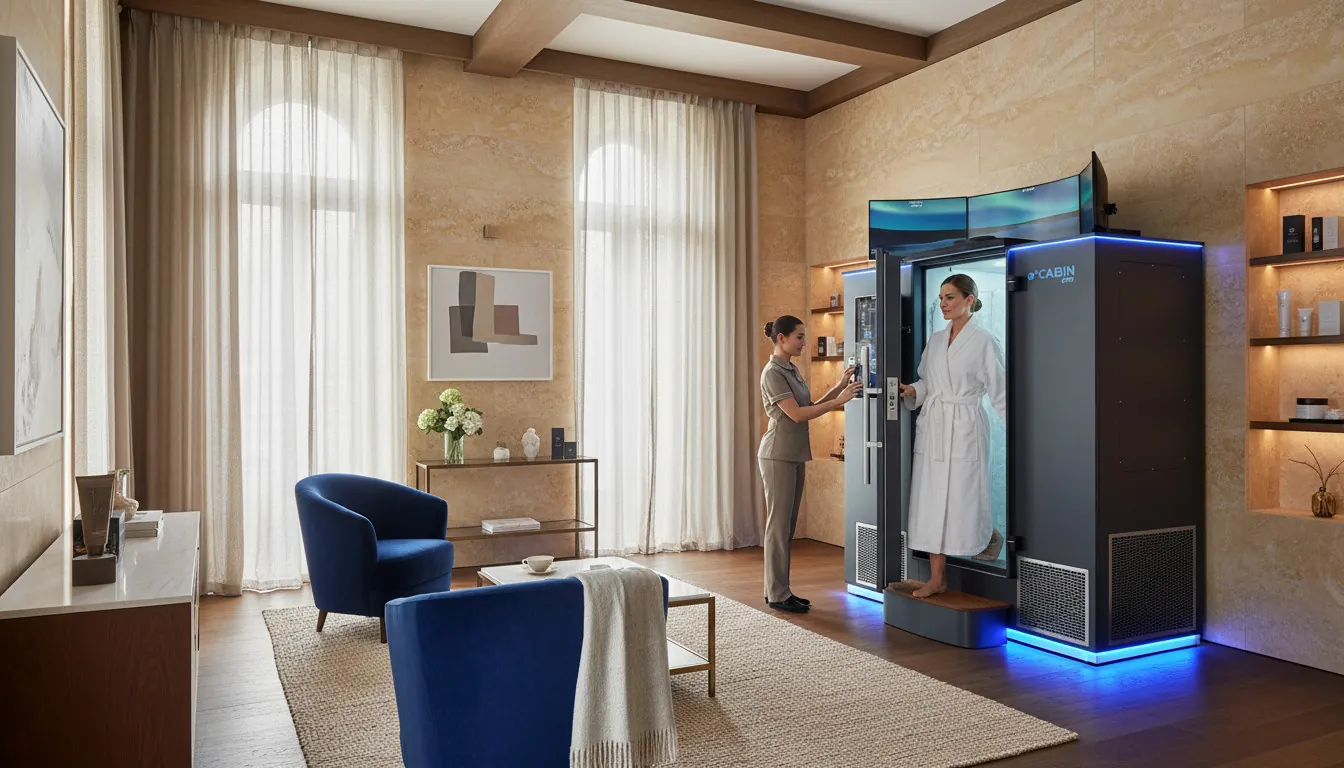
| X°CRYO™ | 230 V, 800 W consumption (1800 W cooling power) |
| OxyPro™ VS1 | 1100 W, 220 V |
| CRYO°CABIN™ | 1500 W (plus liquid nitrogen supply) |
Plan a dedicated 16 A circuit
These draw more power, and we plan each on its own circuit:
| System | Power (CTN) |
|---|---|
| e°CABIN™ | 220 V / 16 A, maximum 2.5 kVA / 3500 W |
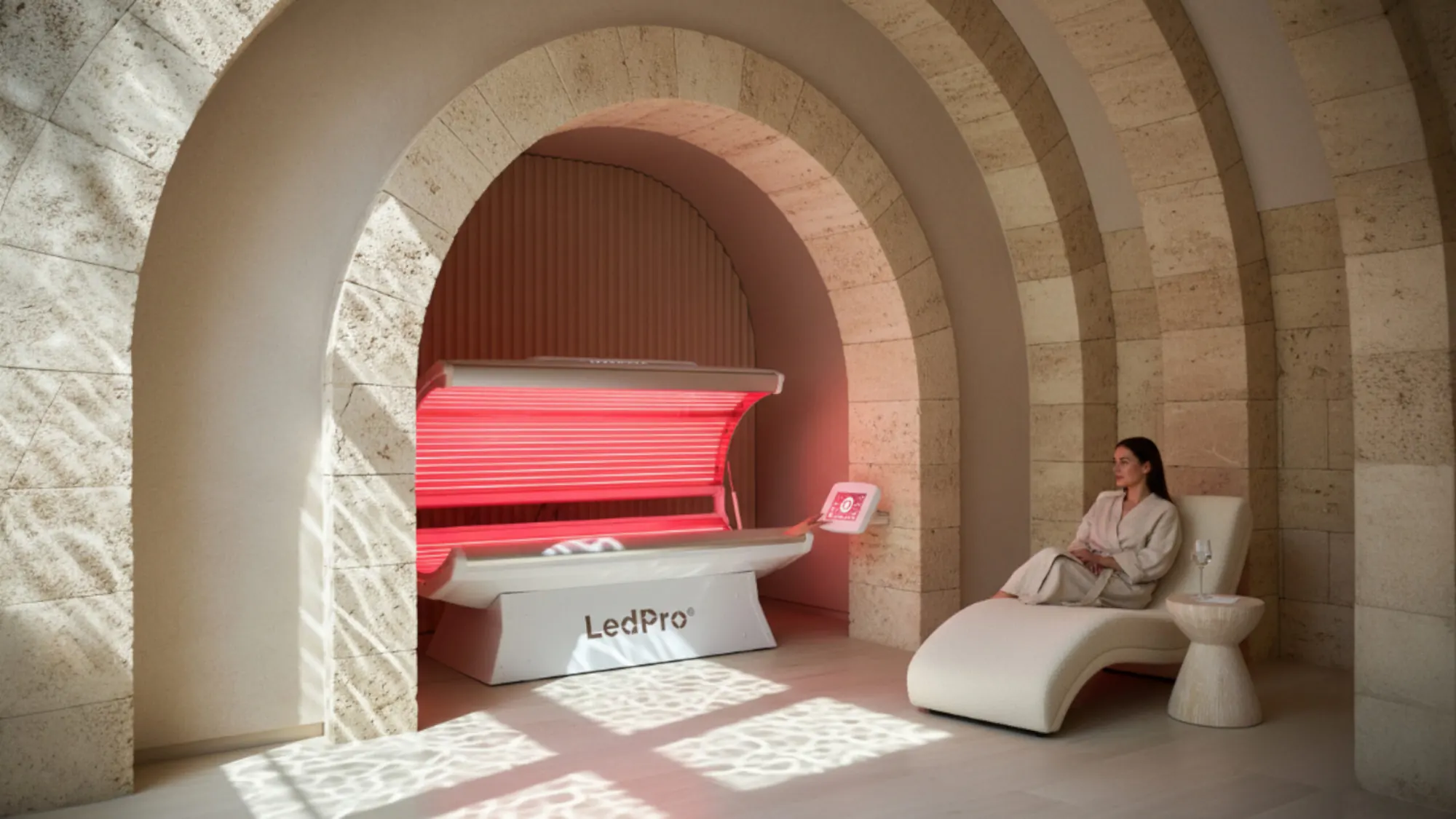
| LedPro™ | 3000 W (1500 W red + 1500 W NIR) |
| LedPro™ Vertical | 3000 W |
| X-TONE™ | maximum 2600 W |
| OxyPro™ VH models | compressor 1250 W + two oxygen concentrators at 480 W each + air conditioner |
The e°CABIN™ requirement of 16 A is CTN's specification. For the other systems in this table, a dedicated circuit is our recommendation, based on their power draw and the fact that a recovery room rarely runs only one device at a time.
Questions for your electrician
- How much spare capacity does the building's supply have?
- Can we bring a dedicated 16 A circuit to each high-power device?
- Where will each socket sit relative to the device's position on the floor plan?
- Is there adequate air conditioning and ventilation for the room? (The e°CABIN™ needs a well ventilated room with adequate air conditioning.)
What three-phase means for you
None of the CTN systems listed above require a three-phase supply in their published specifications. If your building offers it, your electrician may still use it to balance a studio's total load.
Use the finder
The finder asks one question about power: normal sockets only, or can you add a 16 A circuit. Systems that need a dedicated circuit are flagged in your results, so you see the full picture before you ask for a quote.