A club does not recover one athlete at a time. It recovers a squad, usually in the same narrow window after training or matches. That changes how you choose equipment: throughput matters as much as the technology.
Think in squad minutes
Take a squad of 24 players with a 90 minute recovery window after training.
- Whole body cryo: with three minute sessions and a five minute slot, one e°CABIN™ moves about 18 players through in 90 minutes.
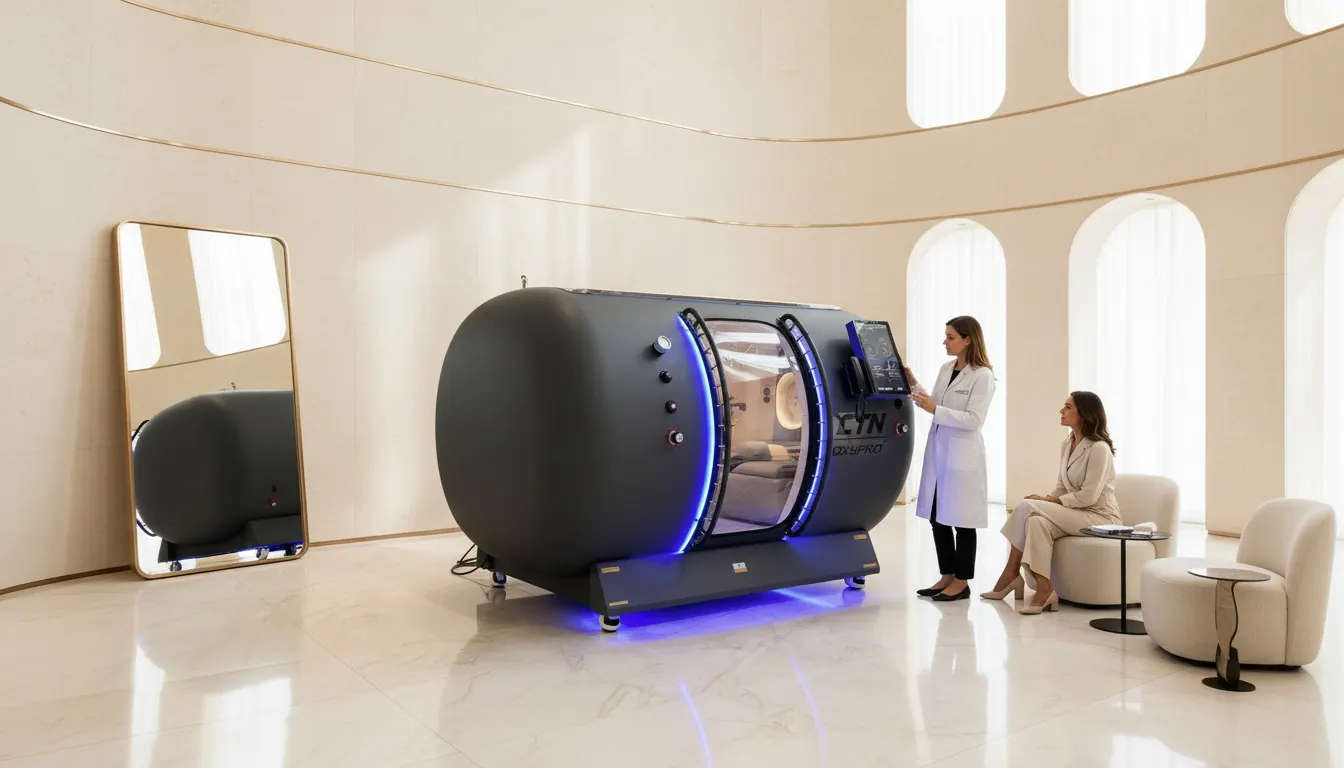
- Hyperbaric: a four person OxyPro™ VH4 seats four players per session.
- Compression: e°COMPRESSION™ boots are battery powered, so several pairs can run at the same time in the changing room or on the bus.
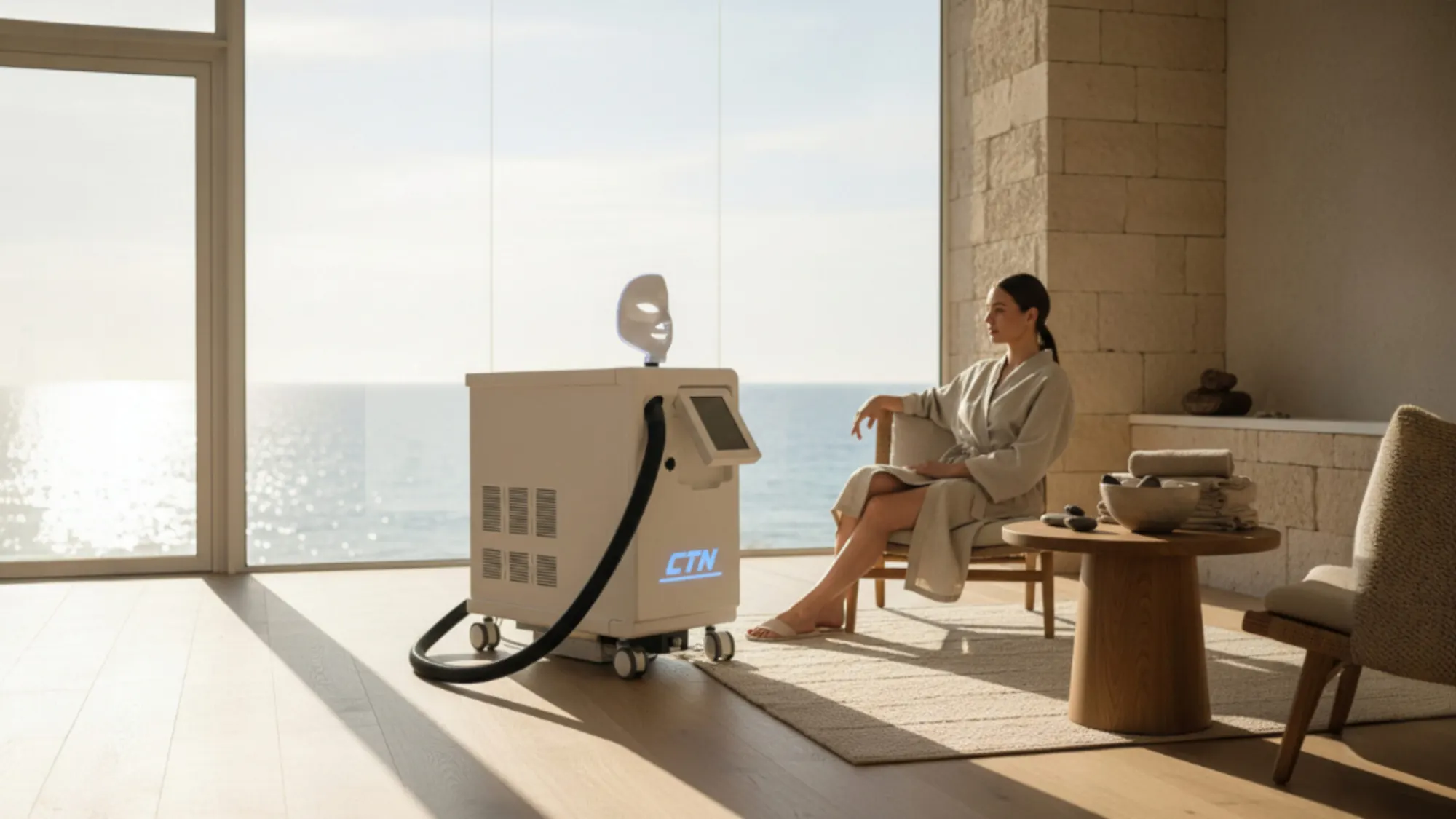
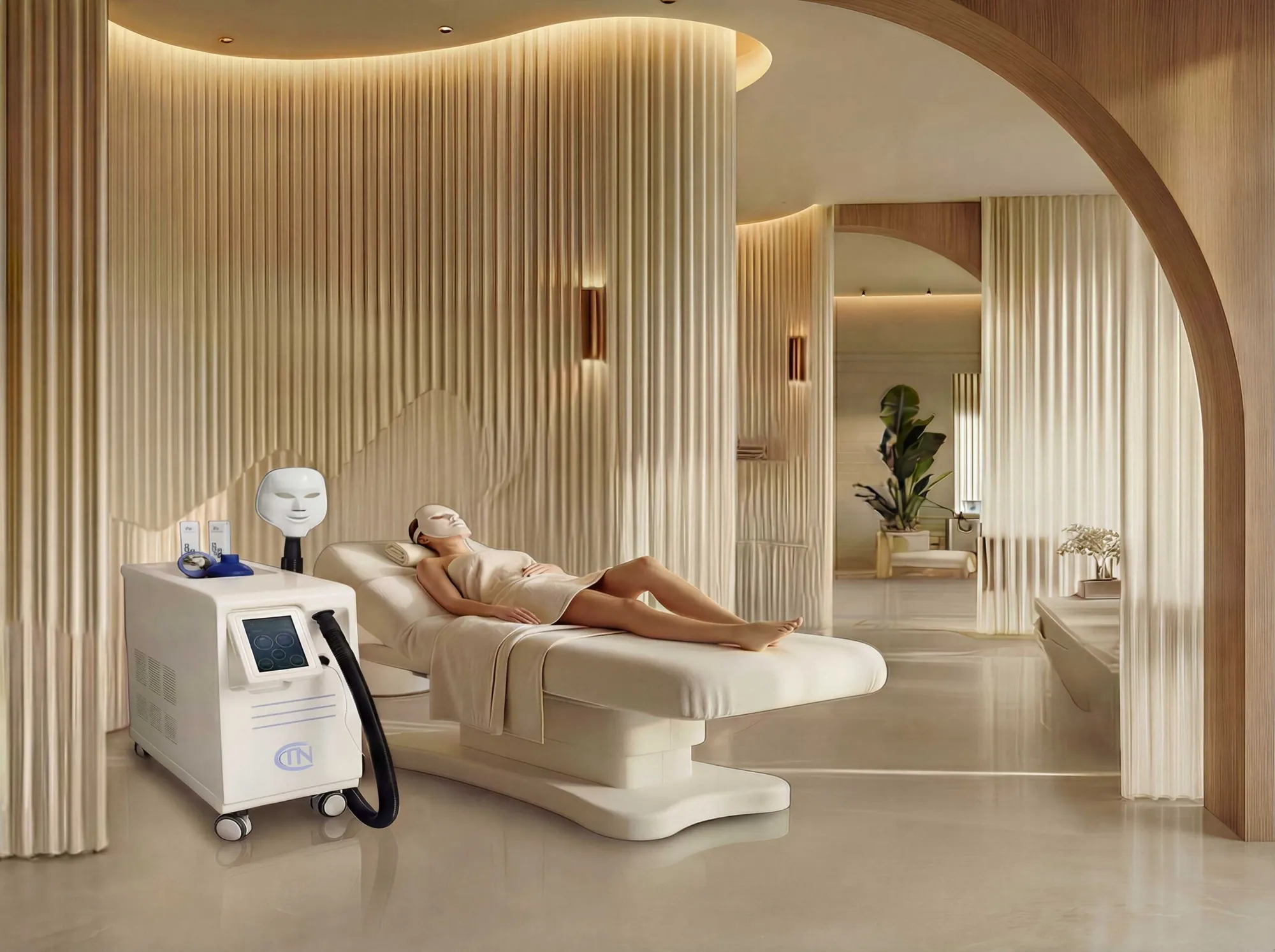
- Localised cryo: X°CRYO™ for individual areas, one to three minutes each.
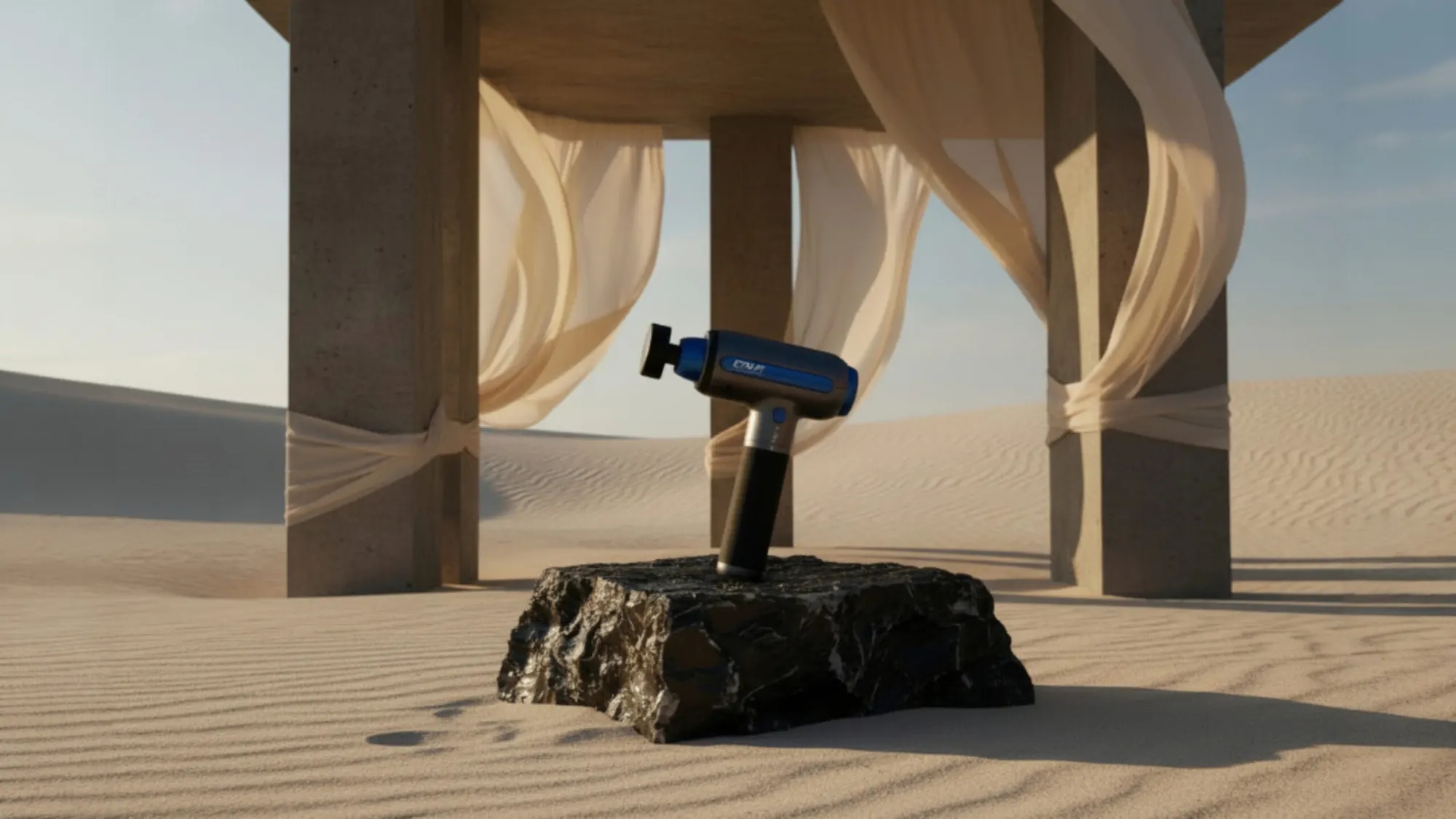
- Percussion: X°GUN™ for the physio and the players themselves.
These are capacity figures to plan the room, not recommendations for any individual athlete. Your medical and performance staff decide each player's protocol.
A room that flows
Lay the room out as a circuit so players never queue in the same place: cryo near the changing room, compression loungers along one wall, the hyperbaric chamber in the quietest corner, a treatment table with localised cryo and percussion near the physio's desk.
Travel and away days
Battery powered compression boots and the X°GUN™ travel with the team. Localised cryo devices move on wheels between rooms at the training ground.
Elite sport already uses this
CTN equipment is used by elite athletes and national teams. For a club, the more important point is that the systems are automated and robust enough for daily squad use.
Funding the room
Clubs often finance a recovery room through leasing, and some open it to members or the public outside team hours to share the cost. Momentum arranges leasing up to 36 months.
Tell us your squad size and your recovery window on WhatsApp, and we will propose a room.